
 Multi-sport
Sport is about 1% of Africa’s economy: what a new report says
Launched in Dakar on 4 November 2026, a joint report by AFD, the IOC and the World Bank shows how much room African sport has to grow, and what is holding it back.
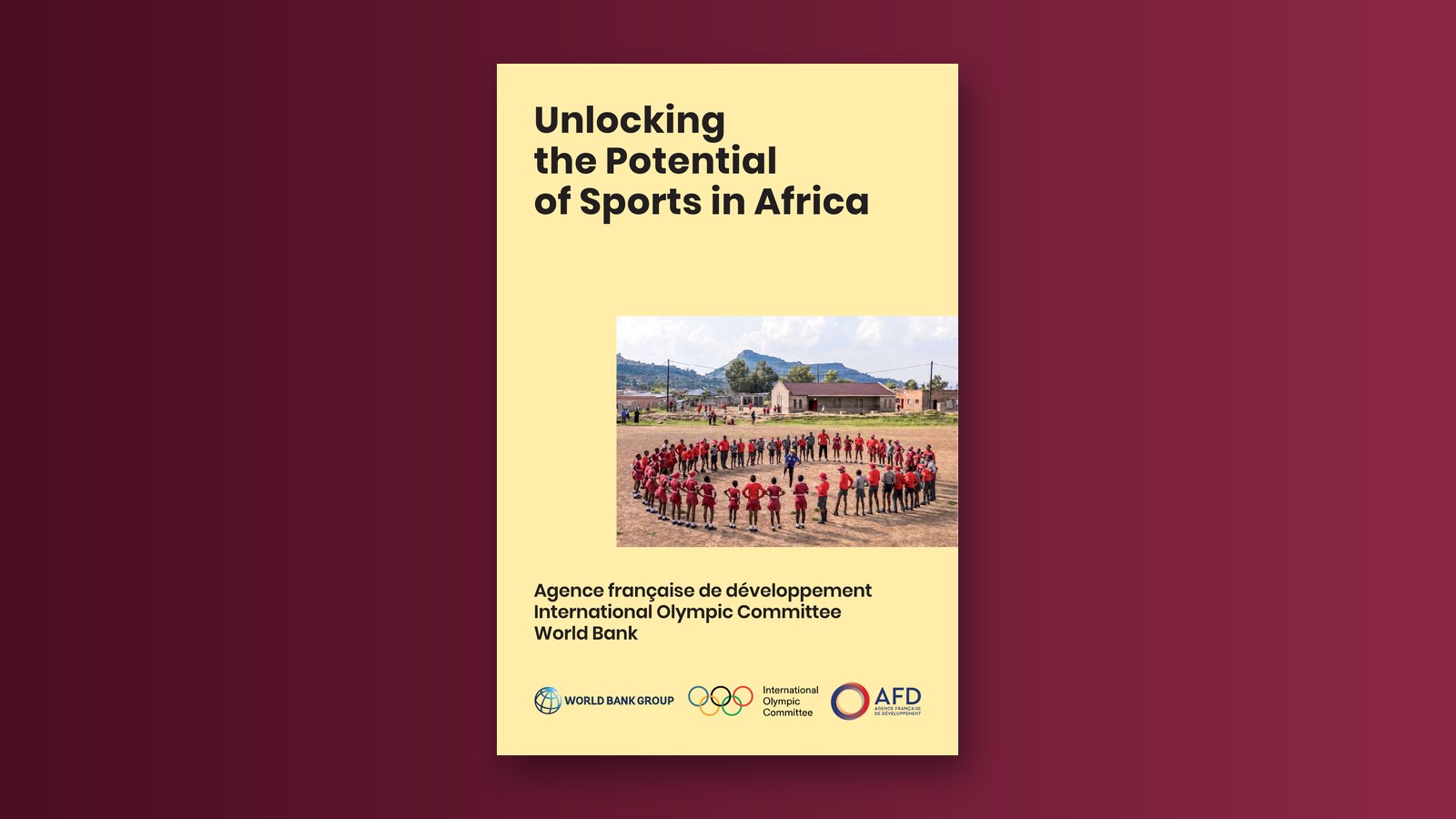
During the Dakar 2026 Youth Olympic Games, the Agence française de développement (AFD), the International Olympic Committee (IOC) and the World Bank published Unlocking the Potential of Sports in Africa. It draws on fieldwork and a survey of 6,000 people in nine countries: Senegal, Côte d’Ivoire, Cameroon, Kenya, Rwanda, Egypt, Morocco, South Africa and Nigeria.
A small share, with room to grow
Sport makes up more than 2% of the world’s economy and about 2.5% of Europe’s, but only about 1% of Africa’s, and less than 0.5% south of the Sahara. The report expects fast growth: business volume in African sport could double by 2028 and reach US$20 billion by 2035, according to PwC figures cited by the IFC.
Fans already pay to follow sport
Most people surveyed follow sport, and many spend money on it, mainly on TV and streaming subscriptions, then tickets. In Senegal, the typical person says they spend US$121 a year, third of the nine countries after Kenya and Côte d’Ivoire. These amounts are self-reported, and the authors say they are probably overestimated. Sport is also a living: 6.8% of households surveyed earn regular income from it, and nearly half of them depend on it as their main income, mostly in informal work.
The missing piece: data
No African country yet keeps sport satellite accounts, the official statistics that measure what sport is worth. The report quotes the head of a South African research firm: “Without reliable data, rights holders struggle to demonstrate their value, sponsors cannot accurately assess return on investment, and investors lack the evidence required.”
What it means
For brands, the audience and the spending are real, but measurement is thin: ask for audience figures and past sponsor results before you sign. For clubs, leagues and federations, the ones that can show their numbers will stand out. Closing that data gap is the work ASIG does.
Also: AFD press release, 4 November 2026.
Source: AFD, IOC & World Bank, Unlocking the Potential of Sports in Africa, November 2026 (pp. 7, 144, 165, 194–195). Figures as reported by the source.
Want the full picture for your market?
Request a briefing and we'll come back with the opportunities that fit your goals.